Introduction
Becoming a safe, confident driver in Omsk means more than passing exams. It’s learning to handle winter roads, knowing how to interact with the GIBDD (traffic police), preparing the right documents and equipment, and developing good habits. This guide gives practical, local-minded advice for new and future drivers in Omsk.
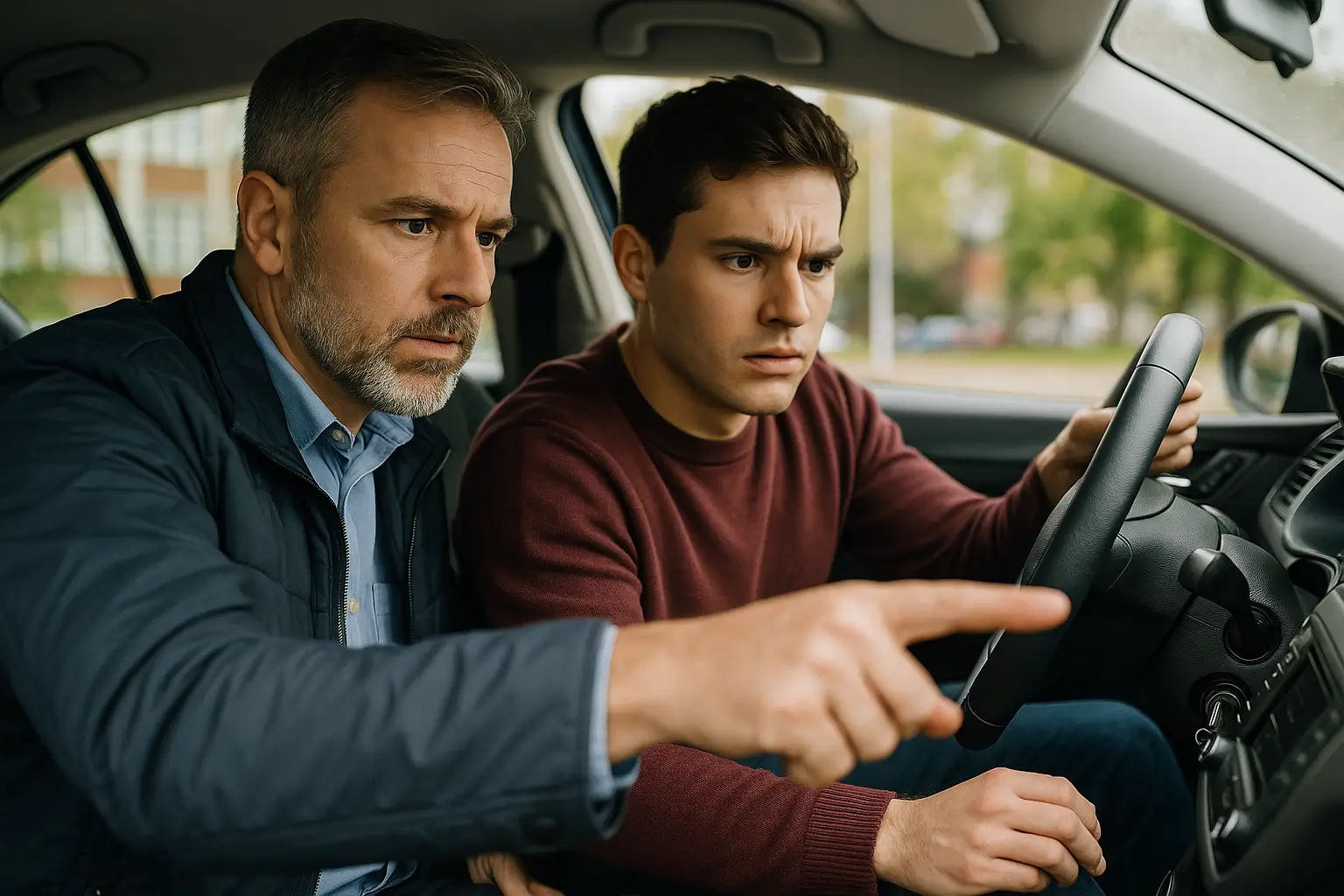
Before you start: driver education in Omsk
— Choose an accredited driving school (автошкола) with:
— Experienced instructors and clear pass-rate info.
— Modern training cars and simulator or off-road practice for skids.
— Theoretical classes covering local rules and exam formats.
— Combine formal lessons with extra practice:
— Supervised drives in different conditions — night, snow, highway.
— Practice parking, reversing into tight places, and merging onto busy roads.
— Use digital aids:
— Apps and simulators for theory practice.
— Yandex.Maps or 2GIS for route familiarity.
Paperwork checklist (what to always have in the car)
— Driver’s license (водительское удостоверение).
— Vehicle registration certificate (свидетельство о регистрации ТС).
— Valid OSAGO insurance policy (полис ОСАГО).
— Passport or ID (when possible).
— Technical inspection certificate if required for your vehicle (check current rules).
— Emergency contact list and medical info.
Keep originals in the car when driving; keep scanned copies accessible (phone/cloud) as a backup.
Preparing your car for Omsk conditions
— Winter-ready: studded or good winter tires, check tread depth and pressure regularly.
— Battery and coolant: cold winters mean batteries must be in top shape.
— Lights and wipers: ensure good visibility in snow and slush; keep spare bulbs.
— Brakes and suspension: potholes and rough patches are common—check components often.
— Anti-slip kit: sand or special traction mats for getting out of snow drifts.
Basic local driving rules and tips
— Urban speed: default city limit is typically 60 km/h unless otherwise signed — always watch signs.
— School zones, residential areas and pedestrian crossings require extra attention.
— Roundabouts: yield to vehicles already in the circle; use indicators when exiting.
— Parking: read signs — illegal parking can be fined and towed.
— Avoid driving under the influence: Russia has strict penalties for drunk driving—don’t risk it.
Driving in winter and on poor roads (Omsk specifics)
— Black ice: treat shaded bridges and overpasses as potentially icy even when roads look clear.
— Snowbanks: visibility at intersections can be reduced—edge forward slowly to see oncoming traffic.
— Slush and spray: maintain extra following distance; be prepared for sudden braking by others.
— Potholes: slow before impact if possible; avoid sudden steering maneuvers that can cause loss of control.
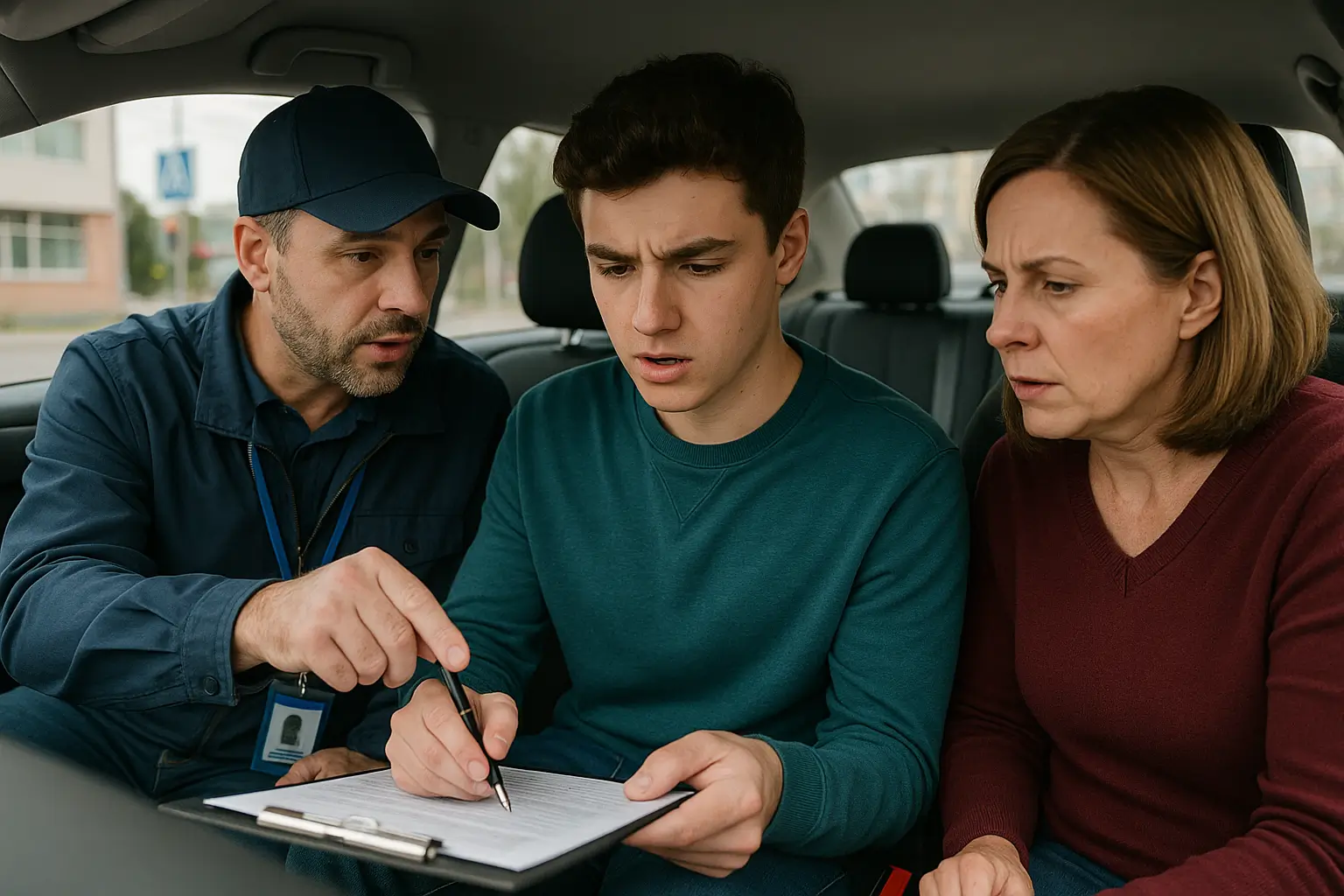
Interaction with GIBDD (traffic police): practical steps
— Stay calm and polite. Aggressive behavior escalates situations.
— Pull over safely: signal, choose a well-lit or safe place if possible.
— Required documents to present: driver’s license, vehicle registration, OSAGO policy (and ID).
— During a stop:
— Ask the reason for stopping if it’s not stated.
— If asked to step out, do so calmly and follow instructions.
— You may film the interaction (public officials performing duties) but do not obstruct officers—keep phone visible and hands steady.
— If issued a protocol (протокол):
— Read it before signing. Signing confirms you received/understood it, not necessarily an admission of guilt.
— Ask for a copy.
— Refuse bribes or shortcuts—illegal and risky. Use official channels for disputes.
— If you feel your rights were violated, note names, badge numbers, time and place, and later file a complaint through official channels or seek legal help.
Handling fines, penalties and disputes
— Check fines and appeal online via Gosuslugi (gosuslugi.ru) or the official GIBDD portal.
— Pay fines on time to avoid increased penalties.
— If you contest a fine, collect evidence (photos, dashcam footage, witnesses) and follow the official appeal process.
— Keep records of all correspondence and receipts.
Safety kit for every trip
— High-visibility vest and warning triangle.
— First aid kit.
— Flashlight with spare batteries.
— Tow rope, small shovel and traction mats.
— Warm blanket, spare gloves and hat in winter.
— Phone charger and portable battery pack.
— Water and non-perishable snacks.
Practical skills to develop early
— Smooth braking and throttle control to avoid skids.
— Correct clutch control and stall recovery (manual cars).
— Reverse parking and angle parking practice.
— Lane discipline and safe overtaking on regional roads.
— Emergency maneuvers in a controlled environment (skid control training).
Resources and next steps
— Official services and fine checks: Gosuslugi (gosuslugi.ru) and local GIBDD website.
— Local emergency numbers: 112 (general emergency), 102 (police).
— Consider seasonal refresher courses (winter driving) and advanced safety training.
— Use dashcams—common in Russia and helpful in disputes—but install so it doesn’t obstruct view.
Final advice
Drive proactively, not reactively: anticipate hazards, maintain safe distances, and respect other road users. In Omsk’s climate and road environment, preparation, calm interactions with GIBDD, and consistent maintenance of your vehicle will keep you safer and more confident on the road. Good luck and safe driving!